
How might we treat materials in ways that keep them “alive”?
![1. starch[32].jpg](https://images.squarespace-cdn.com/content/v1/5dc192d42e6f762c2859d5cf/1764760489084-GMPOQSRPV54MZEDXLTQT/1.+starch%5B32%5D.jpg)
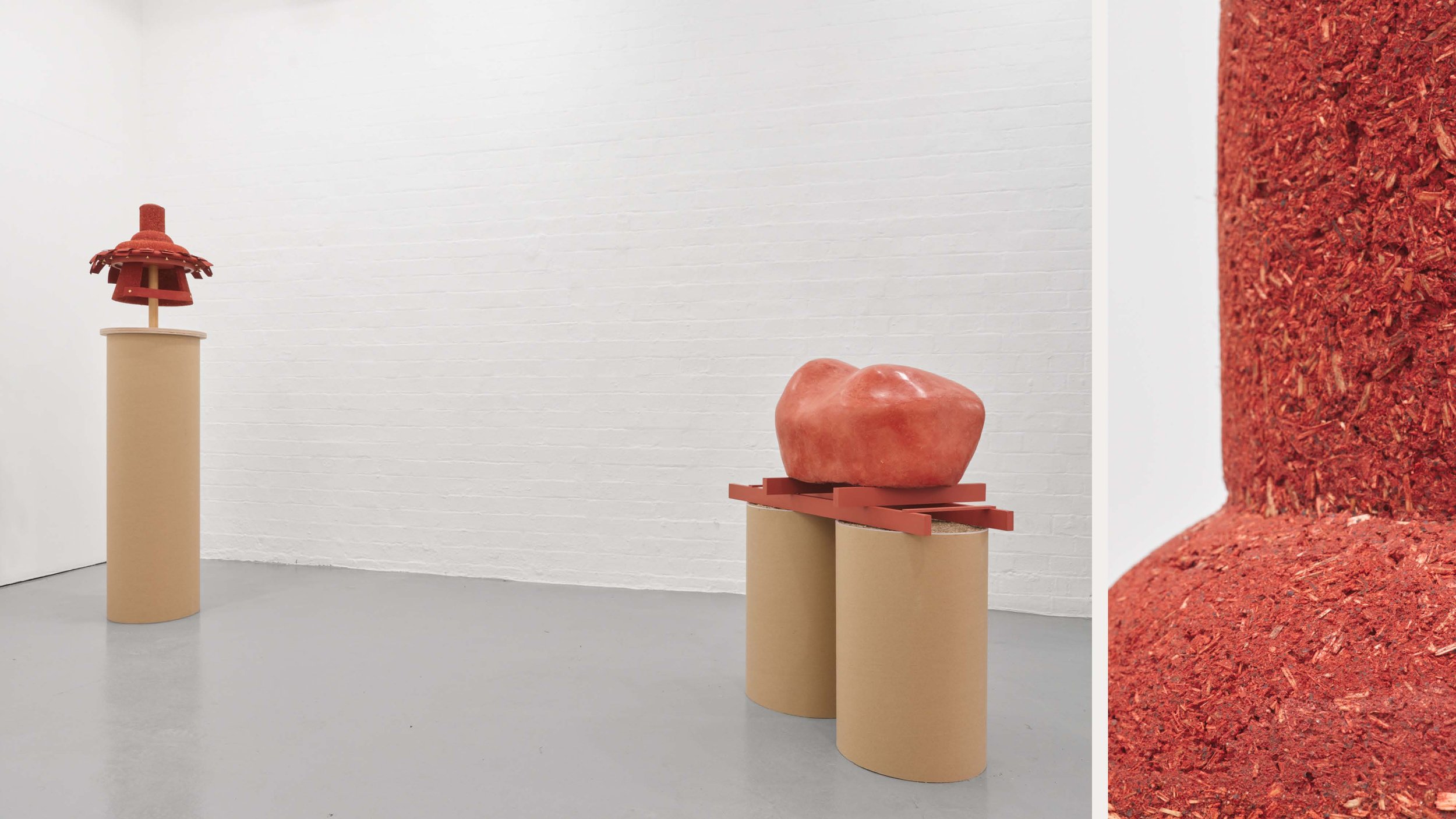
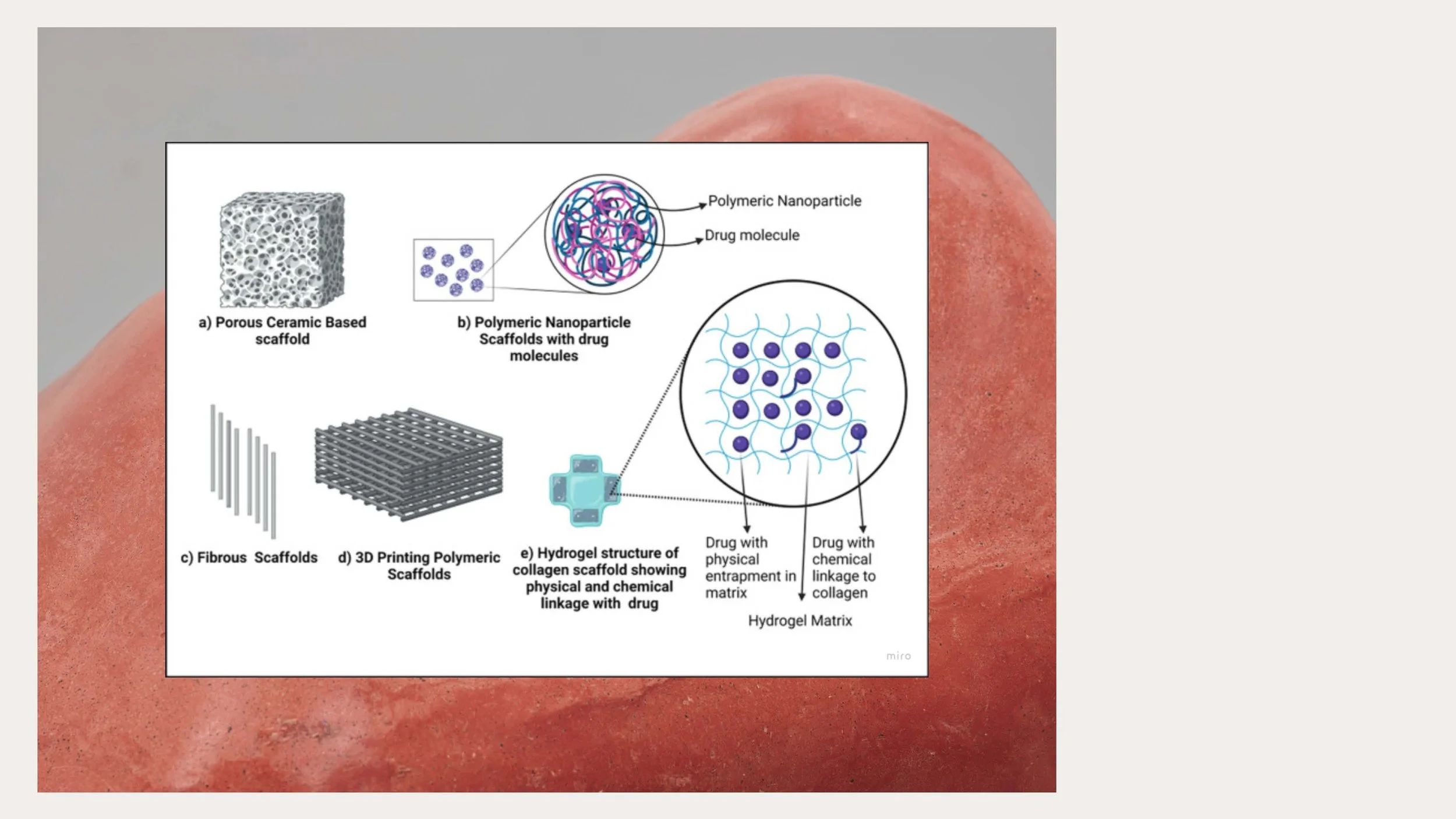
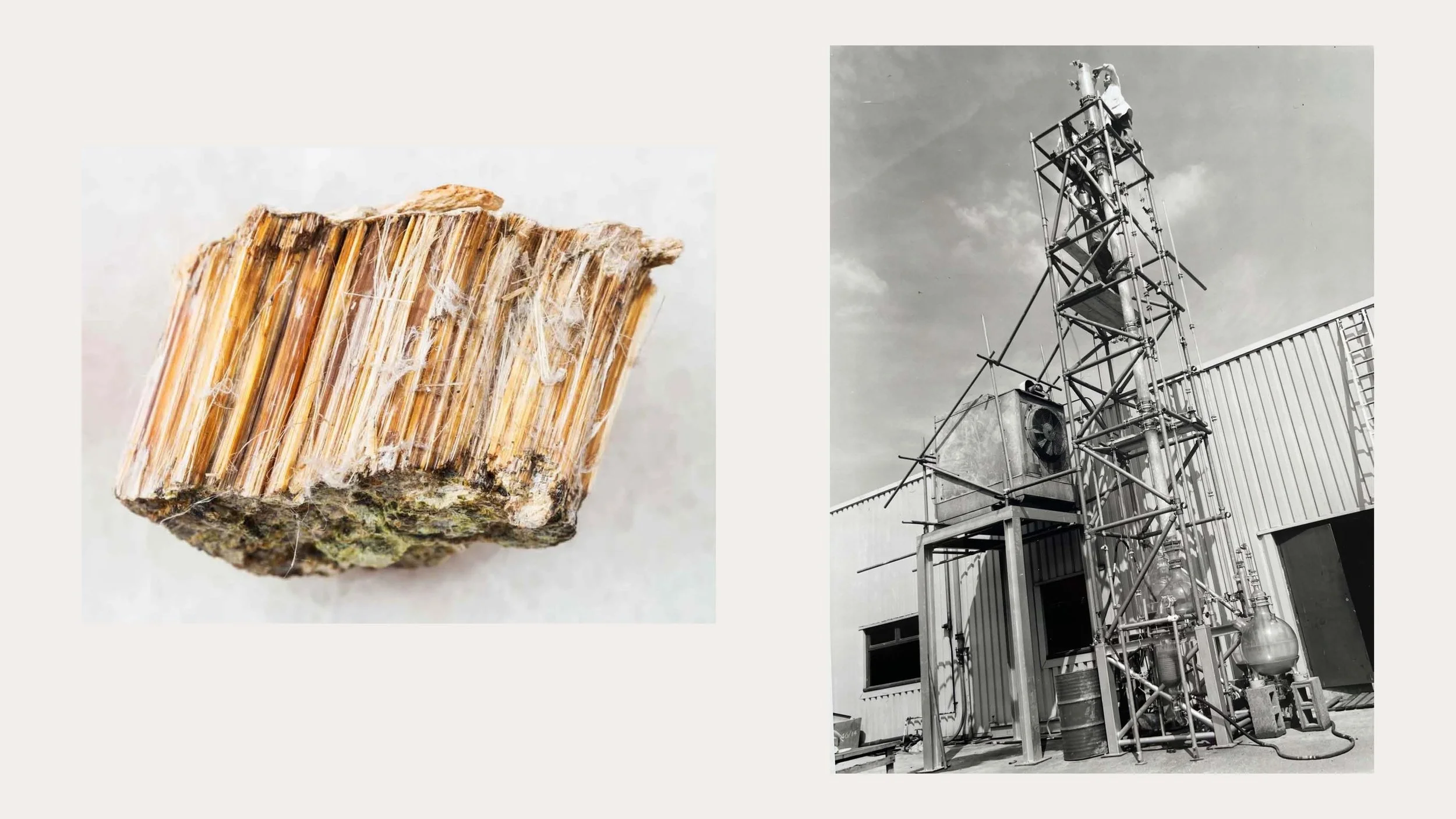
As one of four artists in residence as part of the Making Time programme, my work has been shaped by a series of conversations with academics at King’s College London, whose research spans biological processes, computational material design and the chemistry of natural polymers. These exchanges have helped me think about materials not as passive matter but as dynamic systems with behaviours, histories and potential futures, forming an interdisciplinary foundation for my ongoing research into starch-based materials and natural fibres.
Dr Miao Guo shared how biological processes can be engineered to transform waste into new material forms; Dr Francisco Martin-Martinez, how computational modelling can anticipate and design more sustainable alternatives; and Dr Peter Ellis, how starch whose structure and stickiness function both as a binder for fibres and as a carrier within nutritional, agricultural and medical contexts.
The idea that a material can hold, release, nourish, scaffold or sustain resonated deeply with themes already present in my practice, those of care, memory, decay, and the shifting boundaries between bodies and the environments that support them, treating materials as collaborators with lifespans, vulnerabilities and agency rather than static entities. How might we treat materials in ways that keep them “alive”? What conditions allow them to thrive? What do we cling to, transform or let go? And what kinds of materials, and what kinds of time, might sustain us differently?
Post by Claire Baily
Making Time is devised by Artangel and produced in partnership with Science Gallery London at King's College London. The programme is supported by Radar at Loughborough University, Warwick Institute of Engagement at University of Warwick and Stanley Picker Gallery at Kingston University.